
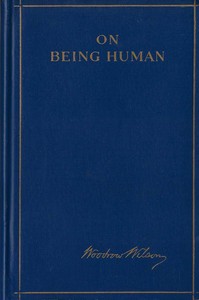
On Being Human by Woodrow Wilson
Before he led a nation through World War I, Woodrow Wilson was a professor and a thinker. 'On Being Human' is a collection of his essays from that time, and it's not a policy paper or a history lesson. It's his personal philosophy, laid out in plain language.
The Story
There's no plot in the traditional sense. Instead, Wilson builds a case. He looks at the world around him—the rush of industry, the drive for success—and asks if we're losing something vital. He believes we are. For Wilson, being truly 'human' isn't about your job title or bank account. It's about cultivating sympathy, imagination, and a sense of duty to others. He talks about the value of liberal education not just for a career, but for building a soul that can appreciate beauty and understand pain. The 'story' is his journey to convince the reader that a life of depth and feeling is more important than a life of mere efficiency.
Why You Should Read It
I picked this up expecting something dry and was completely wrong. Wilson's voice is earnest and persuasive. Reading it feels like a conversation with someone from another time who is worried about the same things we are today: burnout, shallow connections, and losing our sense of purpose. His ideas about balancing action with reflection, and success with service, hit home. It's also a fascinating look at the mind of a future president. You see the moral foundation he tried to build his leadership on, for better or worse. It makes history feel personal.
Final Verdict
This book is a quiet gem. It's perfect for anyone feeling a bit adrift in our fast-paced world, or for history lovers who want to understand the man behind the presidency. It's short, thoughtful, and offers a timeless reminder to nurture our humanity. Don't go in looking for political answers—go in looking for life questions. You might just find some comforting, old-school wisdom.
James Jackson
1 year agoHigh quality edition, very readable.





Nancy Ramirez
1 year agoVery interesting perspective.